A just peace may not happen: Finland’s president warns Europe to prepare for a difficult reality
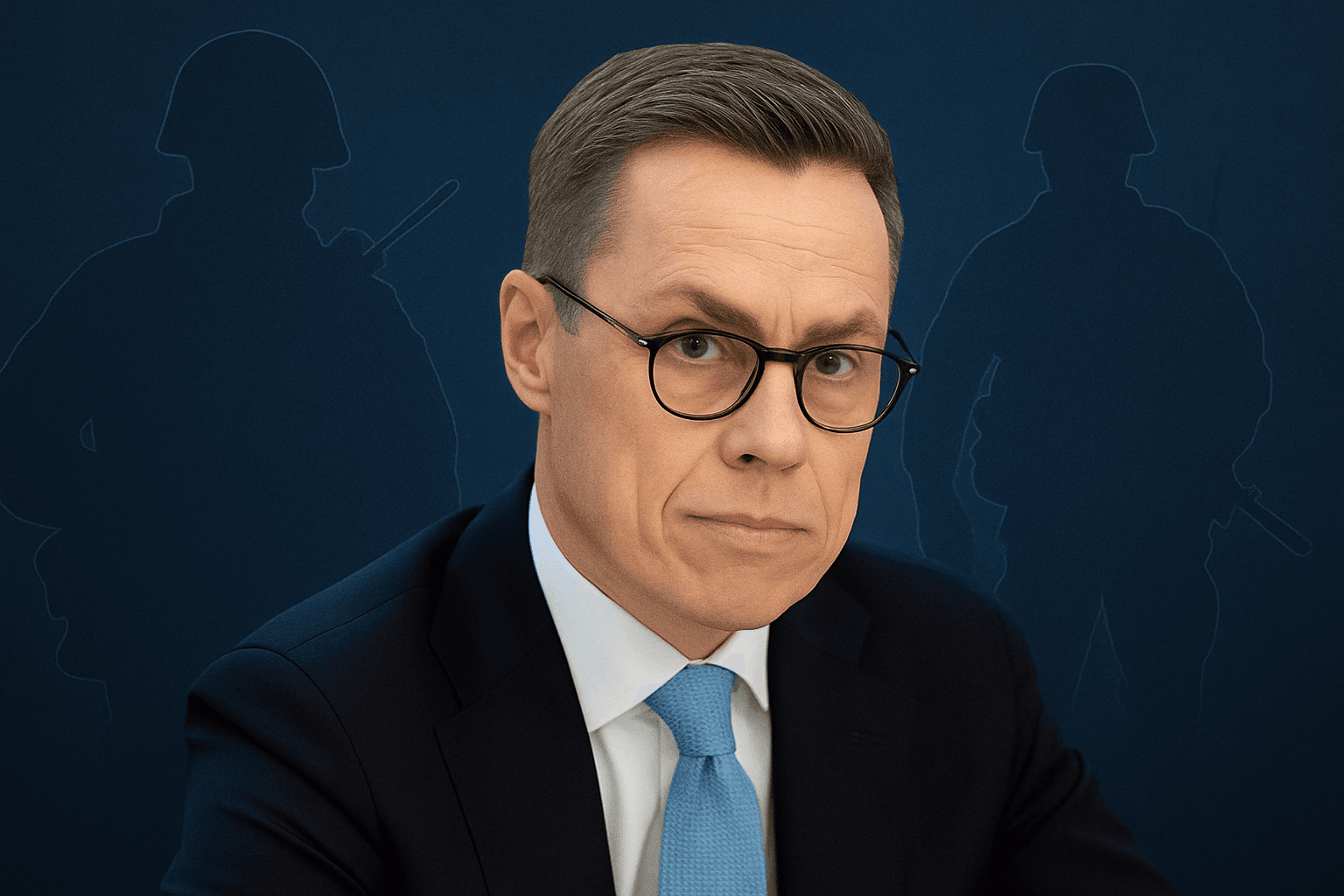
Europe is entering a phase where polished formulas are giving way to sober clarity. In an interview with MTV Uutiset, Finland’s president Alexander Stubb said plainly that the moment of peace may arrive sooner than the moment of justice — and the conditions long described as a “just peace” for Ukraine may remain expectations rather than reality.
Stubb stressed that Europe is working to ensure Ukraine’s sovereignty and territorial integrity. But the world, he noted, rarely offers simple outcomes: not “good,” not “bad,” but something in between — a compromise. “We Finns must prepare for the moment when peace comes, and all those conditions of a just peace that we have spoken about over these four years will likely not be fulfilled,” he said.
He added that the coming days and weeks will show whether diplomatic efforts can deliver results, but he remains skeptical that Russia — the aggressor state — will accept the proposed “peace plan” discussed in recent weeks. His words are not a shift in stance, but a reflection shaped by Finland’s own experience with painful yet necessary compromises.
This Finnish context is essential. After the 1939–1940 Winter War, Finland was forced to cede 11% of its territory, including the city of Vyborg, but preserved its statehood. For Finns, a “just peace” would have meant keeping the borders intact. A “real peace” required territorial loss to ensure national survival. Stubb’s message echoes that history: sometimes the choice is not between right and wrong, but between endurance and collapse.
Over four years of full-scale war, the very concept of peace has evolved. President Zelensky’s formula envisioned a return to the 1991 borders, reparations, and a tribunal — the definition of a “just peace.” But by 2025, Western partners increasingly discuss a model of “peace in exchange for security,” shifting focus toward long-term deterrence, integration, and guarantees that prevent future aggression. This is not a retreat from support, but a recalibration toward a sustainable strategic reality.
Stubb — a firm Atlanticist who played a key role in guiding Finland into NATO — has never held illusions about the Kremlin. His skepticism toward Russia’s willingness to accept any peace plan reflects a simple truth: Moscow agrees only to terms that preserve its leverage. His statement serves as a “cold shower,” preparing European and Ukrainian audiences for decisions that may be difficult but inevitable.
His reference to “four years” is symbolic. During this time, the West has shifted from expectations of quick victory to acceptance of long-term containment; from idealistic ambitions to pragmatic resilience, where preserving Ukraine as a functioning state becomes the core priority. In 2022–2023, the central word was “victory.” By late 2025, it has become “resilience.”
The essence of Stubb’s message is clear and challenging: Europe is transitioning from expectations to reality. And Finland, with its own history of survival alongside an aggressive neighbor, understands the meaning behind his words — that ensuring the future of a nation may require choices that do not look “just” on paper, but are essential for its endurance.