First time in history: Sub Sea Baby drones struck Russia’s Varshavyanka-class submarine
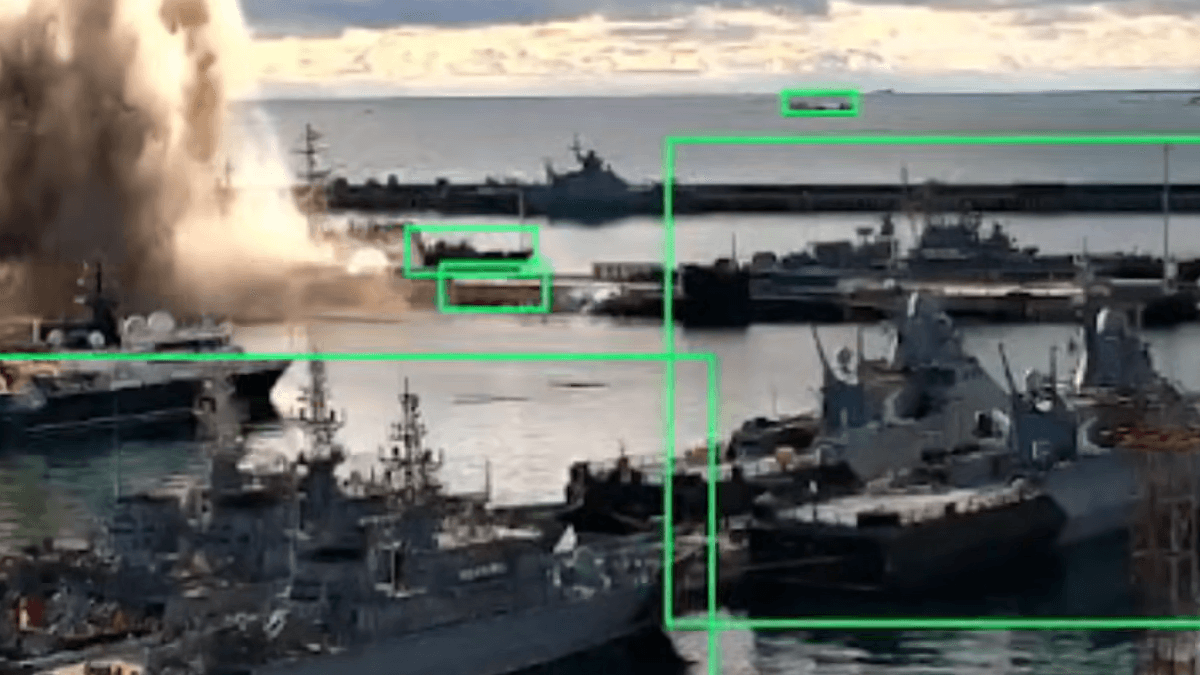
The attack dealt a devastating blow, inflicting critical damage on one of the Russian Black Sea Fleet’s most formidable cruise missile carriers, a vessel equipped with Kalibr missiles, severely compromising its operational capabilities.
Underwater Sub Sea Baby drones operated by Ukraine’s Security Service (SBU) have, for the first time in history, struck a Russian Project 636.3 Varshavyanka–class submarine (NATO designation: Kilo) directly on Russian territory — in the port of Novorossiysk. The explosion inflicted critical damage on the submarine, effectively putting it out of action, the SBU reported.
According to the agency, the submarine was carrying four launchers for Kalibr cruise missiles, which Russia regularly uses to strike Ukrainian cities. The estimated cost of a Varshavyanka-class submarine is around $400 million, and due to international sanctions, building a similar vessel today could cost up to $500 million.
The SBU noted that the submarine had been stationed in Novorossiysk out of necessity, following a series of successful attacks by Ukrainian Sea Baby naval drones that forced Russian Black Sea Fleet ships and submarines to withdraw from Sevastopol Bay in temporarily occupied Crimea. Previously, Varshavyanka submarines were considered relatively secure and safe platforms for missile launches there.
Project 636.3 submarines are a modified version of the Soviet-era Paltus design and are intended for anti-ship and anti-submarine warfare, reconnaissance, and strikes on coastal targets. NATO has nicknamed this class the “Black Hole” because of its special sound-absorbing hull coating, which makes the submarines extremely difficult to detect by sonar. For this reason, Varshavyankas have been one of the key instruments of Russia’s naval terror.
The symbolic significance and scale of the strike were also underscored by Ukraine’s Navy. Navy spokesperson Dmytro Pletenchuk called the incident a turning point in the maritime war.
“Remember this day: another turning point in the war at sea. And yes — not without the participation of the Ukrainian Navy. The only country to have lost two submarines in combat since World War II is Muscovy. Both were cruise missile carriers,” Pletenchuk emphasized.
According to him, Russia still has two submarines of the same project remaining in the Black Sea, both of them also capable of carrying Kalibr missiles. Their vulnerability following the strike in Novorossiysk calls into question the very concept of a “safe rear” for the Russian fleet.
The strike on the Varshavyanka by an underwater drone was not only a tactical success, but also a demonstration of a new phase in Ukraine’s naval strategy — one in which even Russia’s most expensive and secretive assets are no longer beyond reach.